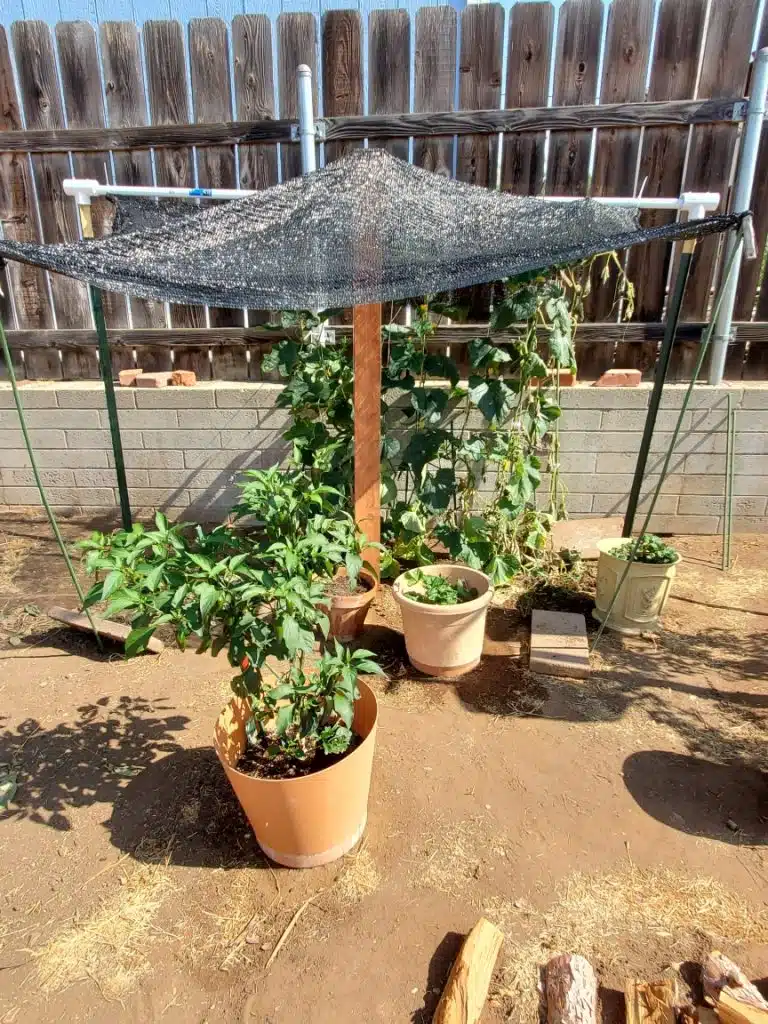


Every gardener knows the feeling.
You walk into the backyard planning to pick “just a few tomatoes,” and come back with a bowl that’s overflowing. The zucchini seem to double in size overnight. The green beans keep producing. The cucumbers are everywhere.
It’s one of the best problems a gardener can have.
But after your family has enjoyed fresh salads, shared vegetables with neighbors, frozen what you can, and tried every zucchini recipe imaginable, you may still find yourself asking:
What do I do with the rest?
The answer could make a real difference for families in your own community.
Your Extra Harvest Is Someone Else’s Fresh Meal
Across the country, food pantries work hard to provide nutritious food to neighbors facing food insecurity. While shelves are often stocked with canned and packaged goods, fresh fruits and vegetables can be much harder to come by.
That’s where home gardeners come in.
Those extra tomatoes, peppers, beans, squash, herbs, and cucumbers that your garden keeps producing can become ingredients for healthy, home-cooked meals. Fresh produce adds color, flavor, and important nutrients that many families don’t have regular access to.
What may seem like “too much” in your garden can be exactly what’s needed somewhere else.
Small Donations Add Up
Many gardeners wonder if their harvest is “big enough” to donate.
The answer is yes.
Imagine this:
- One gardener donates 10 pounds of fresh produce over the course of the season.
- Ten gardeners in the same town each do the same.
- That’s 100 pounds of fresh vegetables available to local families.
- Now imagine 100 gardeners participating.
- Or an entire neighborhood.
- Or every garden club in your county.
Suddenly, what started as one backyard garden becomes a steady stream of fresh, local food reaching families throughout the growing season.
No one gardener has to grow enough for everyone. But together, gardeners can make an extraordinary impact.
Every Tomato Tells a Bigger Story
A single tomato may not seem significant.
But that tomato might become part of a BLT for a child heading back to school.
A handful of green beans could become tonight’s family dinner.
Fresh basil might brighten a simple pasta meal.
A basket of cucumbers could help several families enjoy fresh salads during a hot August week.
Every donation represents more than vegetables. It represents kindness, dignity, and the simple joy of sharing something you’ve grown with care.
Growing More Than Vegetables
Gardens have always brought people together.
They connect us with nature. They teach patience. They reward hard work.
When we share our harvest, they also strengthen our communities.
Instead of watching surplus produce go to waste, gardeners can help ensure that perfectly good food reaches neighbors who will truly appreciate it.
It’s one of the simplest ways to reduce food waste while helping fight hunger—right where you live.
This Harvest for Hunger Month, Share What You Can
You don’t need a large farm.
You don’t need acres of land.
You don’t even need a perfect harvest.
Whether you have a few extra peppers, a basket of tomatoes, or more zucchini than your family could ever eat, your donation matters.
One garden may not feed an entire community.
But one garden inspires another.
And another.
Before long, hundreds of gardens become thousands of generous acts—each one helping families put fresh, healthy food on the table.
This Harvest for Hunger Month, let your garden grow something even bigger than vegetables.
Let it grow hope.
Ready to share your harvest? Use AmpleHarvest.org to find a nearby food pantry that welcomes fresh produce donations. Your next harvest could be the beginning of someone’s next healthy meal.